Courtyard Walk Groningen
Discover the unique charm and rich history of Groningen with this walking tour through the city centre. The route focuses on historic almshouses (known locally as gasthuizen or hofjes) and a variety of monumental buildings and cultural landmarks. For convenience, parking is recommended at the Boterdiep garage.
The Route of Courtyard Walk 🗺️
The Round Walk from Courtyard to CourtYard has a total of 7.66 KM and is easy! It passes a large number of well-known and lesser-known historical sites, combining quiet courtyards, notable architecture, parks and cultural hotspots. It gives a broad picture of Groningen’s social history and urban development.
Guesthouses on the Tour
This tour highlights 15 historic guesthouses. Each is a small residential complex around a shared garden, often carrying centuries of history:
- Juffer Tette Alberdagasthuis
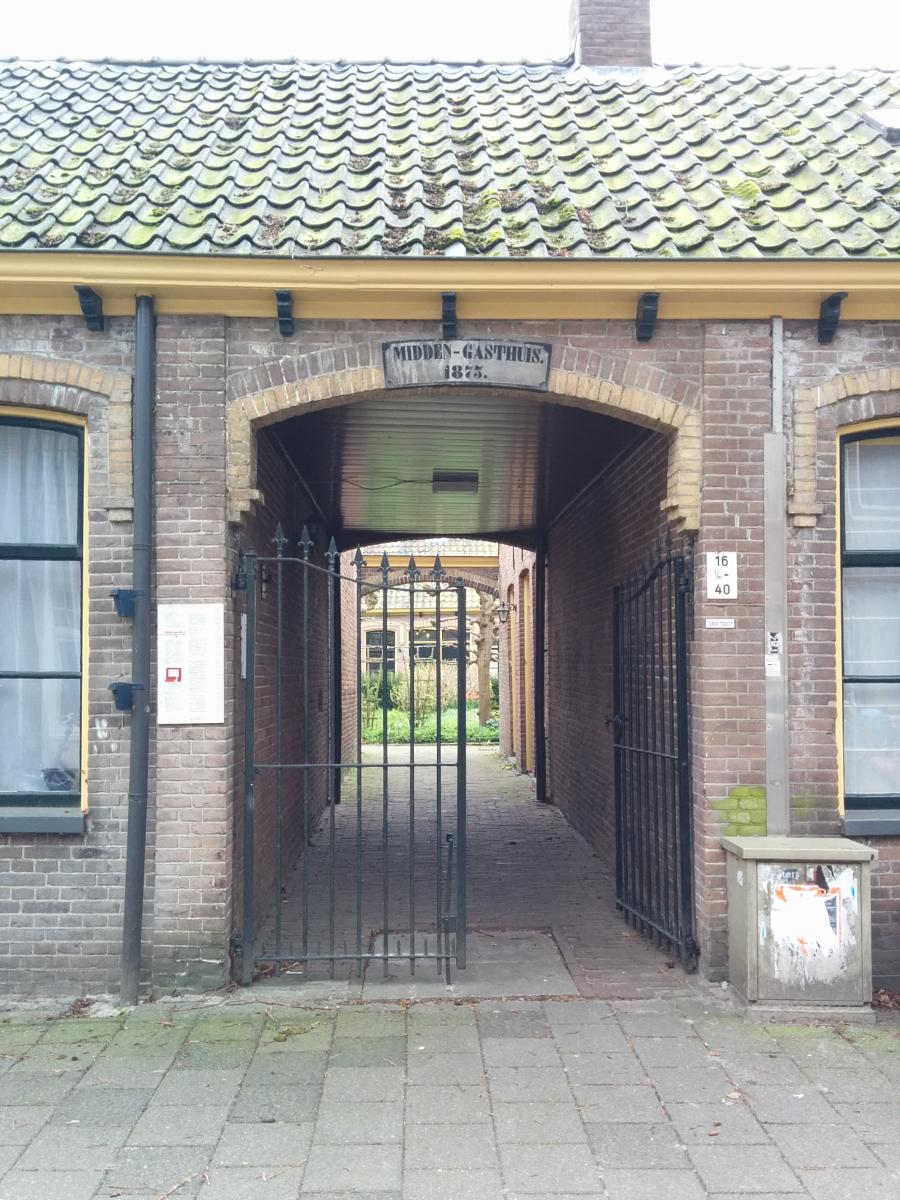
- Middengasthuis (Kleine Rozenstraat)
- Middengasthuis (Grote Leliestraat)
- Gerarda Gockingahuis
- Jacob en Anna Gasthuis
- Zeyls Gasthuis
- Aduarder Gasthuis
- Pelstergasthuis
- Sint-Anthony Gasthuis
- Pepergasthuis (St-Geertruidsgasthuis)
- Aafyn Wilsoor Gasthuis
- Anna Varwers Gasthuis
- Sint Martinus Gasthuis
- Pieternella Gasthuis
Other Historical and Cultural Sites
Beyond the hofjes, the walk includes a range of landmarks and public spaces:
- Historic buildings: Het Gotische Huis and the Canterhuis, Het Kasteel, the Westelijke Bewaarschool, De Sleutel (a historic café), and the Prinsenhof.
- Churches and religious sites: Der Aa-kerk, St-Jozefkathedraal, the Synagoge and the Nieuwe Kerk.
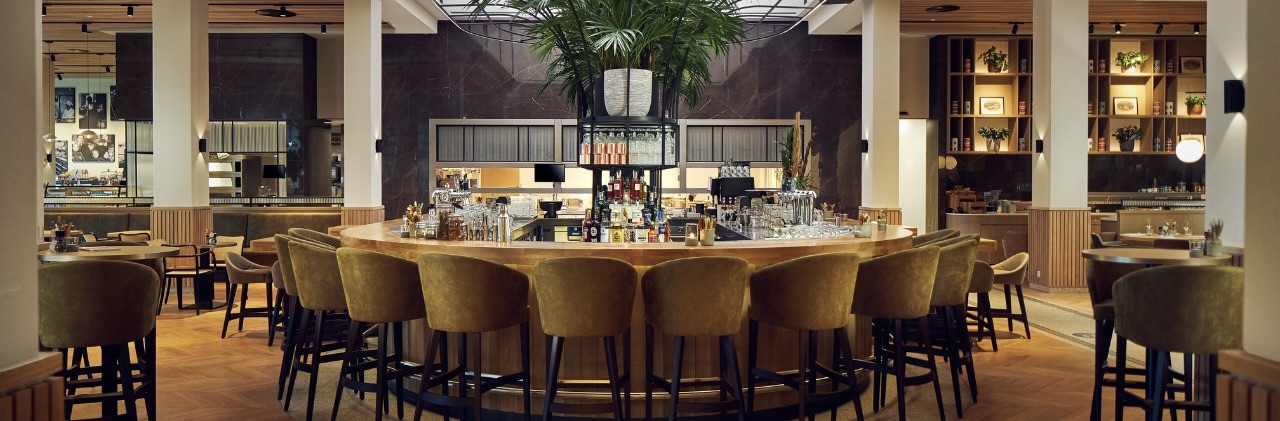
- Museums and venues: the Noordelijk Scheepvaartmuseum (Northern Maritime Museum) and DOT (the former Infoversum dome) — now a restaurant, event venue and city beach.
- Public spaces: Martinikerkhof, the Prinsentuin and the Noorderplantsoen.
The History of Groningen's Guesthouses
The term gasthuis in Groningen is closely related to the concept of a hofje elsewhere in the Netherlands. Their story spans many centuries:
- Medieval origins: In the Middle Ages gasthuizen were founded as charitable shelters for the sick (including plague victims), the poor and travelling pilgrims. The Pelstergasthuis is among the oldest and was originally located on the city edge as a refuge for pilgrims.
- Shift to elderly care: From around the 17th century many guesthouses gradually became housing specifically for older people. Early foundations were often church-run; later examples were established by wealthy citizens.
- Decline and restoration: With modern retirement homes many guesthouses suffered neglect. A major restoration programme in the 1980s saved many of these buildings; today a large number are protected as national monuments.
Practical tips
- Parking: Boterdiep garage is a convenient starting point for the walk.
- Respect residents: the hofjes are private homes — keep noise down and stay on paths.
- Opening times: most courtyards are freely accessible between roughly 09:00 and 18:00, but always check signs at entrances.
- Photography: best light in the morning or late afternoon; avoid photographing residents through windows.
- Accessibility: mostly level walking, but expect cobbles and occasional steps.
Conclusion
The hofjes walk is an authentic way to experience Groningen. From medieval foundations to 19th-century charitable housing and modern cultural hubs like DOT, the route offers a mix of quiet gardens, historical architecture and green public spaces. Whether you explore a handful of courtyards or all fifteen guesthouses, you’ll step into several small worlds tucked inside Groningen’s vibrant centre.